
Beyond A to B: Why Nepal is ready for an A → B → C Model of Pastor Training.

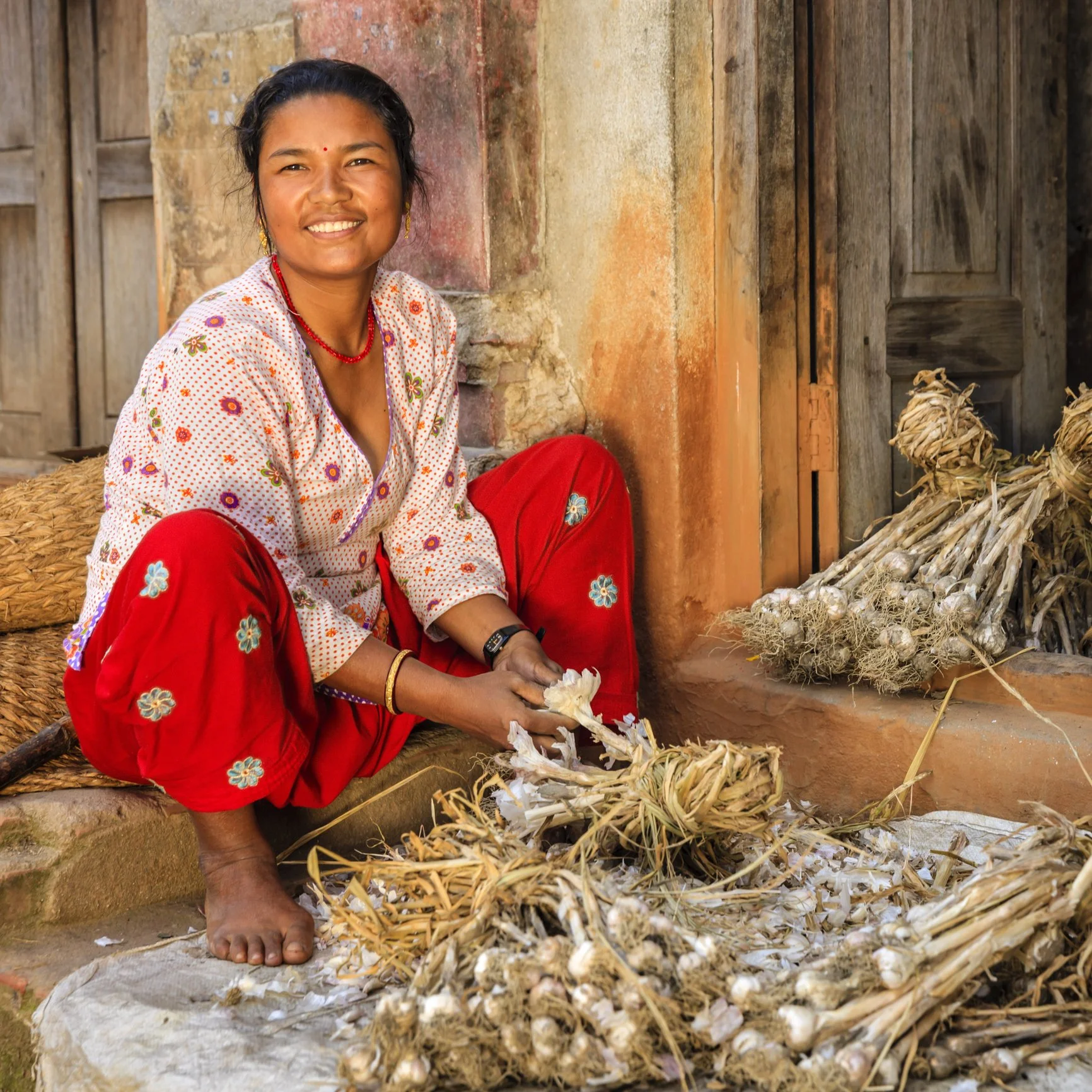
A typical outdoor kitchen in a village in the lower Himalayas. All photos © Touch Nepal.
Audio podcast style summary above.
Reach them. Ok, with what? An introduction.
Reach Every Village™ is the well thought out tagline of Touch Nepal as it solidly aligns with our daily focus and broader mission. However, when we say, “We want to reach every village,” —or another ministry says, “We train pastors,” or “We provide biblical training,” there is a problem we need to acknowledge: the terms are often left undefined or are self defined.
We could ask ourselves, reach the furthest village in Nepal with what? Tracts or bibles (though many older Nepali’s can’t read or write Nepali)? Blankets? Candy for the kids? If we preached the gospel or show the Jesus film there, does that mean we’ve fulfilled our vision? These are the hard questions we as a ministry want to take the time to press into. Because when the terms are left undefined, you can check the box on almost any activity you’ve accomplished and end up considerably off course.
Reach → Reach with what?
Biblical training → Biblical according to what interpretive framework? Do we mean pastors trained in a literal-grammatical and historical hermeneutic (this is what we do)? What if “trained pastors” are trained in replacement theology or teach books of the bible as allegory when they are historical? What if they hold wildly syncretic views mixed with their Hindu and Buddhist surroundings? What if they were “trained” to do so?
Pastor → A pastor who is what? Will we use a biblical definition, or can we mix it with immediate cultural anomalies and availability?
Plant a church → A church led by whom and as stated above, teaching what? Or is multiplication of anything called church the real goal?
Replication → After we define why we need to reach, what exactly are we reproducing?
Is it possible to provide “training,” or “reach a village”, “plant a church”, install a pastor—and still get it wrong? Yes.
Reach Every Village™ is not merely about getting something or someone to every village. It is defining multiplication and training models THAT CAN BE REPRODUCED, adapted and delivered to the furthest locations, without losing biblical fidelity. We believe Nepal is ready to move beyond the existing A→B model and produce a true A→B→C replication model.
And this is what this whole article and plea for partnership is about.
Dhanybad! In Nepali that means thank you!
TABLE OF CONTENTS BY TITLE
AN INTRODUCTION TO THE MINISTRY FIELD OF NEPAL.
THE A → B MODEL.
THREE HISTORICAL MOVEMENT MODELS.
THE CENTERPIECE; THE WORD
EXISTING MODELS OF TRAINING – Nepal Seminaries.
EXISTING MODELS OF TRAINING – Remote Area Pastor Training.
A CASE FOR The A → B → C MODEL. Intentional Movement.
REPLICATING B & → GOING TO TRAIN C.
TOUCH NEPAL’S VERSE BY VERSE ™ PROGRAM.
OUR REPLICATION IMPACT MODEL. Scalability × Fidelity × Adaptation = Replication Impact
THE ROAD AHEAD
AN INTRODUCTION TO THE MINISTRY FIELD OF NEPAL.
The church in Nepal is young. The most common Christian believer you’ll find in Nepal is still, a first-generation believer. By comparison, in the United States, it’s more typical to find believers who have three or sometimes more generations of faith in their family line.
Today, Nepal is approximately 80% Hindu, and 10% Buddhist (Tibetan Buddhist). As the church grows in Nepal, false teaching, errant teaching from lack of basic school education or biblical education, and yes, good teaching, have all grown up together in the same field. This is problematic as the first-generation believer doesn’t have enough generational connections to understand if what they are receiving is false, poor or good. Adding to this, pastors that we meet and train, are often unaware that portions of their well-meaning theology are riddled with syncretic views. The issue of syncretism, mixtures of religions, teachings, misunderstandings within the church of Nepal is quite easy to find.
THE RICE FIELD
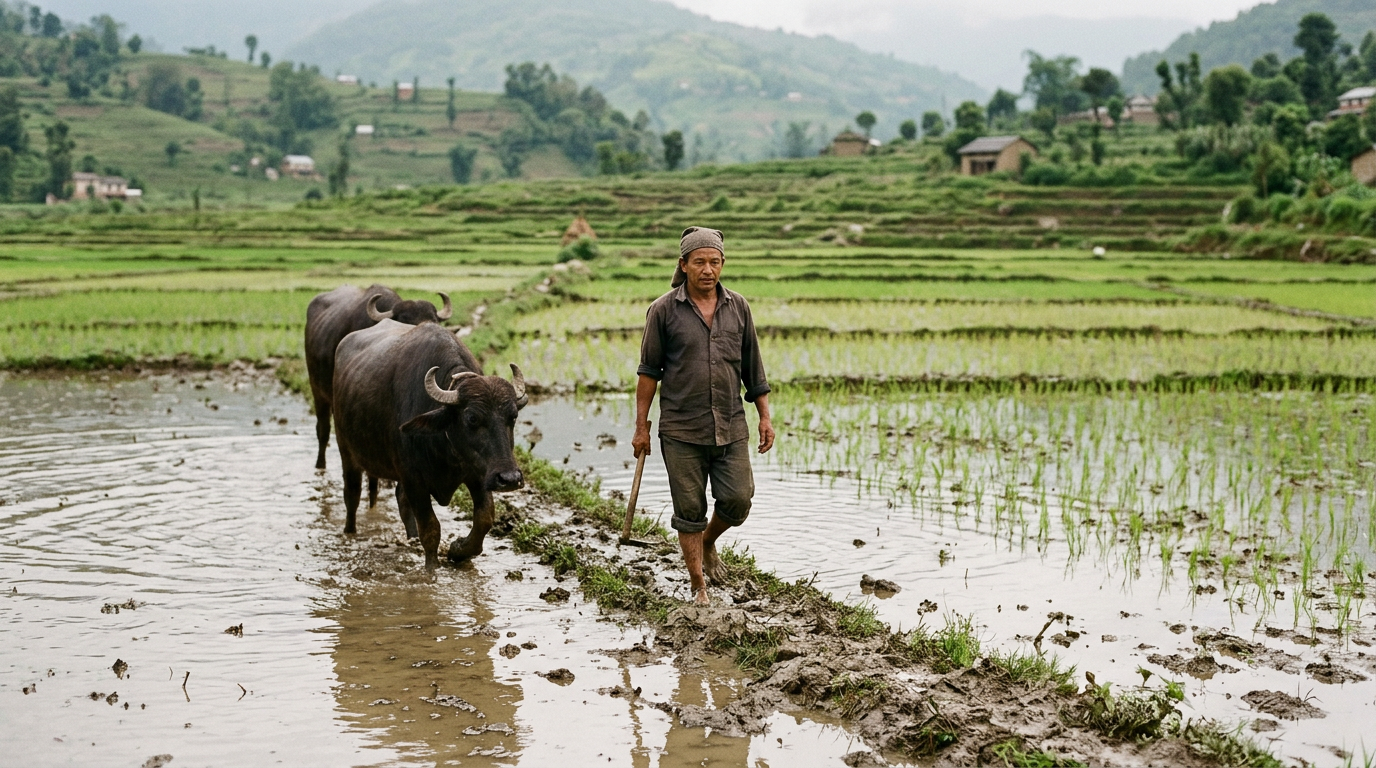
When westerners want rice, they can go to the store and buy a box of rice. What variety it is, is printed nicely on the box. Most Nepalis you meet have or still actively participate in the planting of rice. Westerners don’t have a highly refined palate for rice, but Nepalis do. For a Nepali, rice changes its name based on its exact state—whether it is growing in the field (dhan), stored raw (chamal), cooked (bhat), beaten flat and dried (chiura) or puffed and processed into snacks (muri or bhuja). To us, we just call it rice. For a Nepali, rice is life and the nuances are worth the effort to define. Most Westerners don't realize that rice is “double planted”, transplanted after it first sprouts. Young individual rice shoots are lifted from their muddy nursery bed, bundled and replanted in small clusters, creating stronger, more resilient plants with a better chance of surviving drought. Importantly, this process also allows farmers to remove the tenacious weeds that stubbornly want to grow in, unnoticed with the rice. Those weeds, if left unnoticed, can overcome the rice. To an untrained eye, the weeds and the young rice can look nearly identical. Both look like blades of grass when they first come up from the water drenched soil. Both are of about the same shape, about the same size and color!
We as trained pastors, can see what pastors without formal theological training are learning to see. To someone from the West who’s never planted rice, a field of young rice may look simple—just rows of tiny green plants. We might look at it and think we understand what we’re seeing. But to a Nepali farmer, that same field tells a much deeper story. A Nepali recognizes much more than we do about rice.
In much the same way, western pastors who’ve received years of theological training have learned to see things in Scripture that often are not immediately visible to someone without that training. We’ve inherited generations of biblical scholarship, yet there is much we can learn from the Nepali church - such as their love for community, devotion to the work and word of Jesus amid considerable social and financial strain. And we’ve been entrusted to share what we’ve learned with them, that they can take what they’ve received and carry it farther into the places we may never reach.

The A → B Model
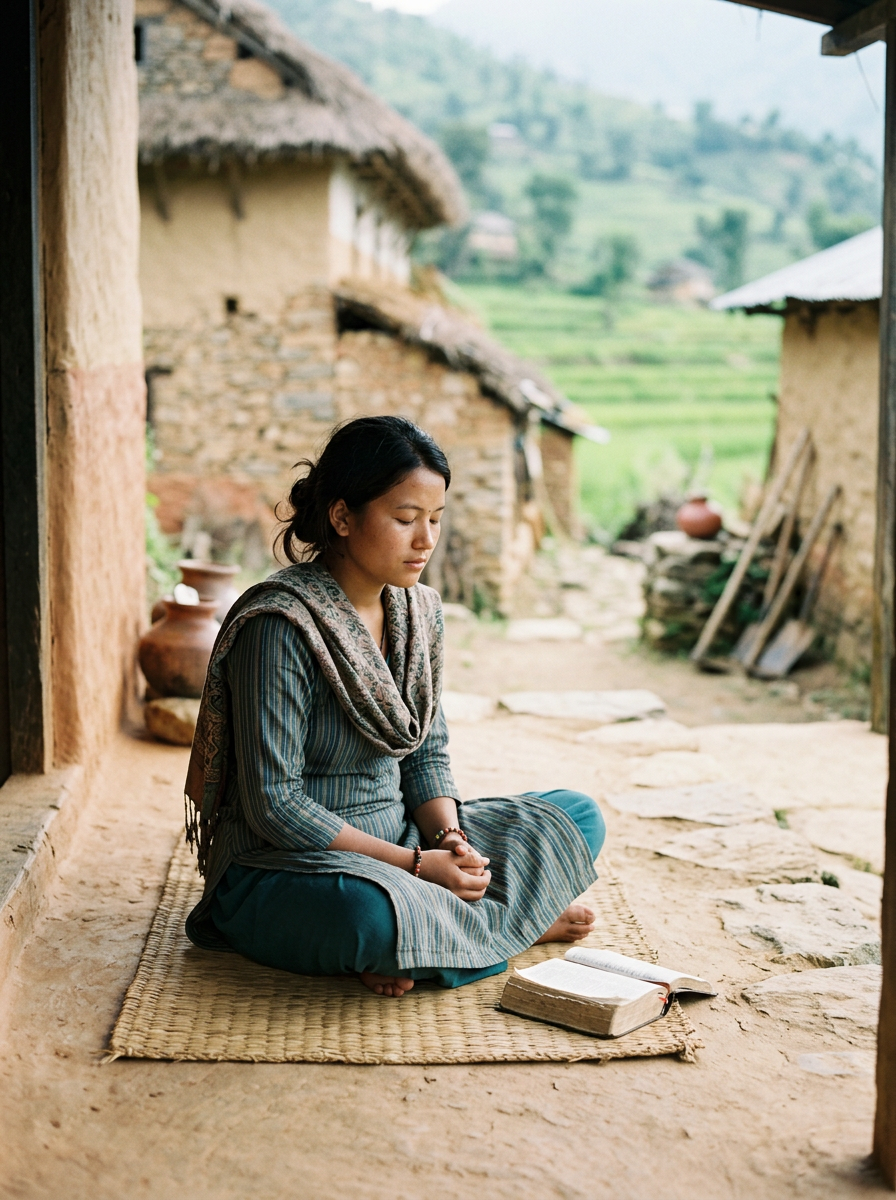
The most common model of pastor training in Nepal has historically been and still is what we call, an A → B model. Experienced teachers (A), bring pastors to a location or seminary and provide training to the (B) group. This has strengthened the Nepali church in many ways and remains an important part of theological education. However, many pastors already serving in their village communities will not leave their families, occupations, and existing churches for years to attend a residential seminary. They often work outside of the church for their own support. Westerners should understand that the bond to family (parents and grandparents and even great grandparents often having grown up and lived in the same house on the same land), family land where they have been raised and community is many time stronger than we experience. This is why we hear pastors want additional training but are not desirous to leave their family and community for extended periods, especially years. Touch Nepal estimates that approximately 95% of pastors have received no formal theological education. Yet these are the very ones faithfully carrying out the vast majority of pastoral ministry in Nepal. The western model of pastoral paths has been training and then sending, into ministry. Nepal has had to bypass this path with its many remote areas. Pastors have led churches in willingness and faithfulness. Biblical education more often than not comes after, often well after, they have already started serving.
Three Historical Movement Models.
I.) JESUS - MOVEMENT TOWARDS US AND THE WORLD.
“For the Son of Man came to seek and to save what was lost.” Luke 19:10
II.) THE CHURCH - AS A MOVEMENT.
Matthew 28:8-20 The great commission.
III.) THE WORD OF GOD - AS A MOVEMENT.
“And the word of God continued to increase; and the number of the disciples multiplied greatly in Jerusalem greatly” Acts 6:7
“But the word of God increased and multiplied” Acts 12:24
“So, faith comes from hearing, and hearing through the word of Christ. Romans 10:17
“And what you have heard from me in the presence of many witnesses entrust to faithful men, who will be able to teach others also" 2 Timothy 2:2

God moved Peter further and further away from Jerusalem into Gentile territory. The apostle Paul, after more than a decade, looked back and felt he had proclaimed the gospel where it was unknown and planted and strengthened churches where there were none. Now Paul was ready for the next unreached territories; a mission to Spain via Rome. Wherever the Word went, salvation came. Wherever the Word goes, salvation comes.

“By design, the church is to be an outwardly moving organism. Missional DNA must exist in its makeup from birth, or it will significantly struggle in its intended design.”
The Centerpiece; The Word

Boundhanath Stupa, Kathmandu, Nepal. Photo © Bijay Chaurasia.
“Do your best to present yourself to God as one approved, a worker who has no need to be ashamed, rightly handling the word of truth.” 2nd Timothy 2:15
The movement Touch Nepal wants to remain in, is first and foremost, a movement of God’s Word. This may sound obvious to some but isn’t to all. We still often hear of ministries touting that church planting is their centerpiece. We hear impressive if not unbelievable numbers of thousands upon thousands of churches planted in Nepal and India. Yet when we get into these more remote areas of Nepal, we cannot find the number of churches nor believers to substantiate those claims. And if we do find remote churches, we often don’t find theological education. The church grows around the faithful word of God being preached; it must remain the centerpiece amongst all endeavors. You can plant as many churches as you want, but one person who knows how to correctly plant rice will harvest infinitely more than planting hundreds of fields without the knowledge of how to correctly mange those fields of opportunity.
We can reach further with you. Please support our work!
Existing Models of Training – Nepal Seminaries.
Today, theological education in Nepal remains heavily concentrated in and around the capitol city of Kathmandu. The Kathmandu Valley holds roughly 10% of Nepal's total population. Based on the national census data, the valley accounts for about 3 million residents out of Nepal's total population of 29.16 million, leaving approximately 90% of the population living outside the valley. The Kathmandu Valley is home to most of Nepal's best-known evangelical seminaries. These institutions have played an indispensable role in strengthening the Nepali church and producing biblically equipped leaders, though admittedly, primarily within Kathmandu Valley. An estimated two-thirds to three-quarters of Nepal's formal theological institutions are clustered in Kathmandu Valley and worth noting, with just a very few being accredited. Meanwhile, most pastors serve outside Kathmandu, in remote hill districts, mountainous regions, and the flat and widely dispersed, Terai plains area where lack of infrastructure and employment dash the hopes of countless pastors to serve and provide for their families.
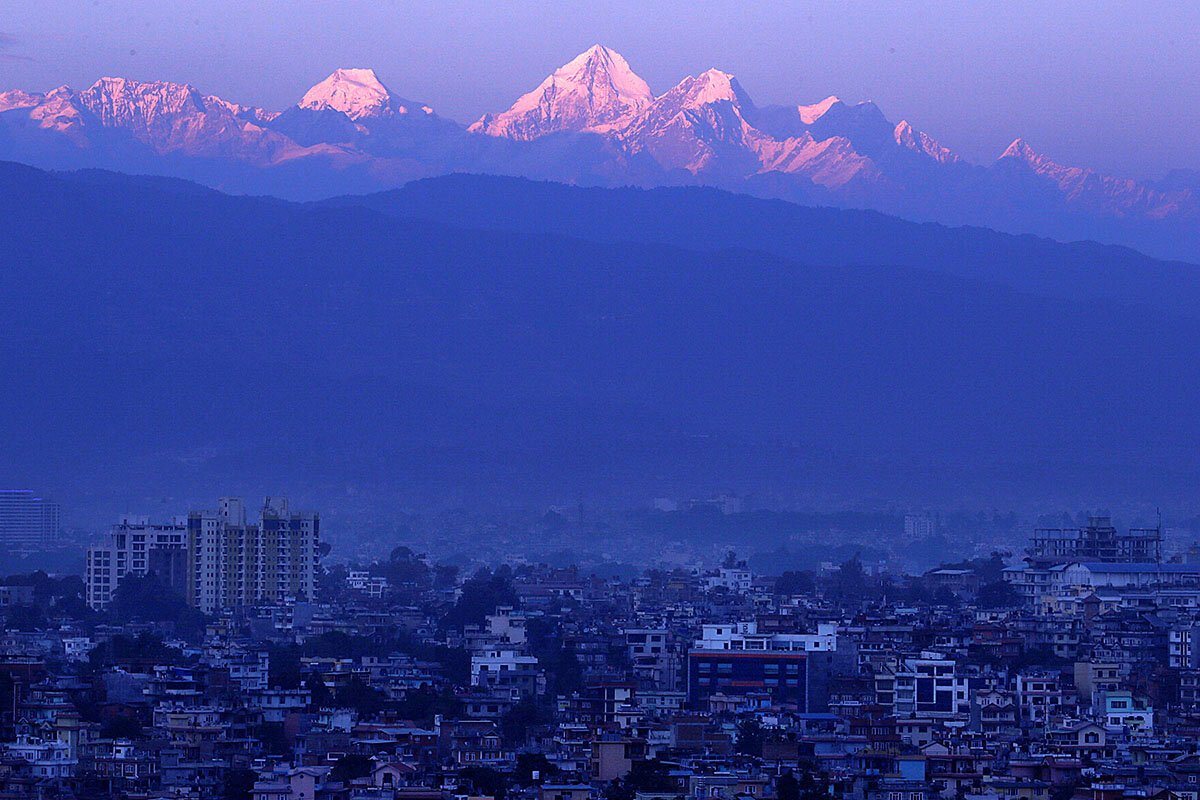
Images of Kathmandu with the 20K foot plus Himalayas in the background. Photo: Navish Chitrakar.
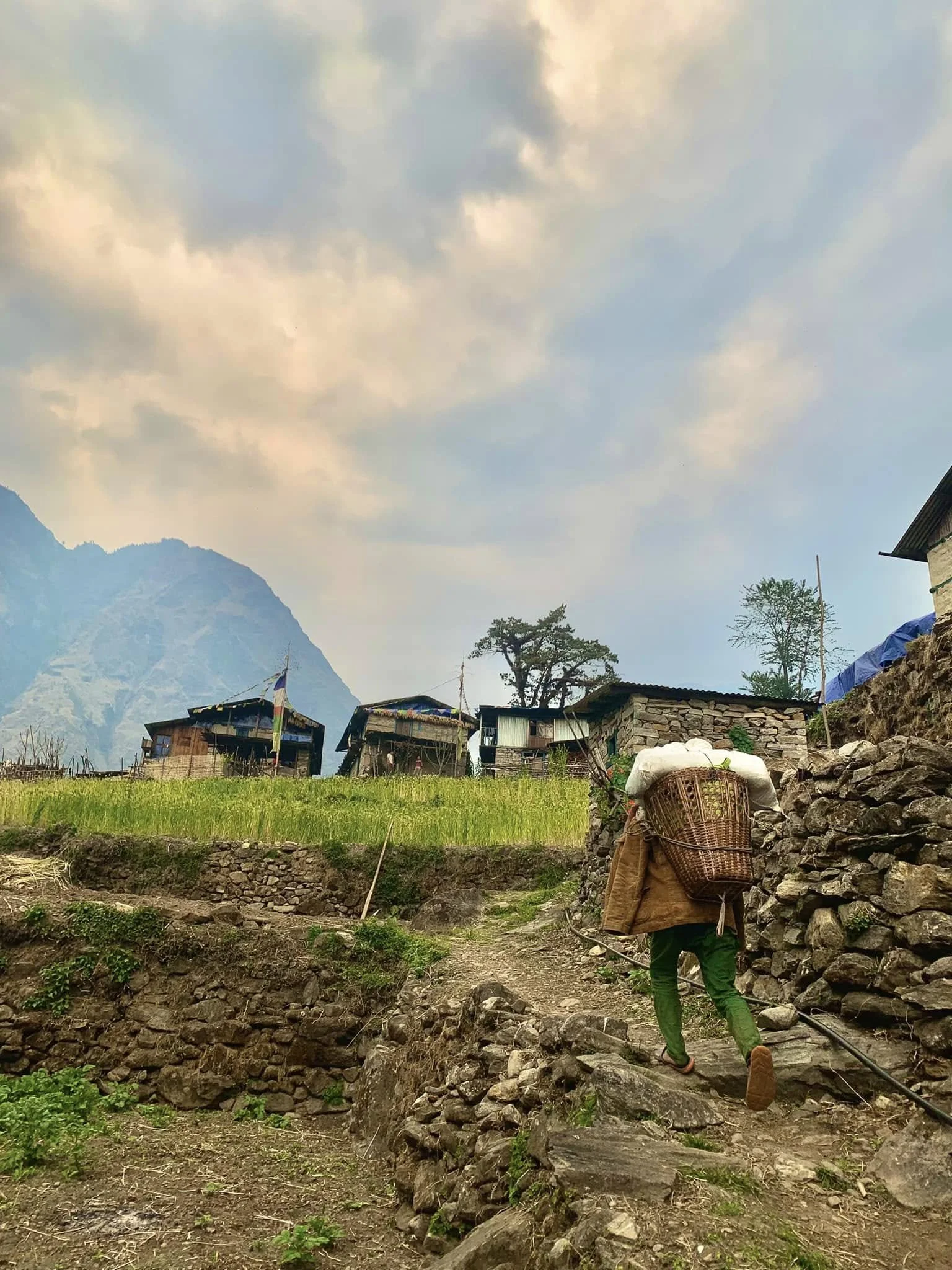
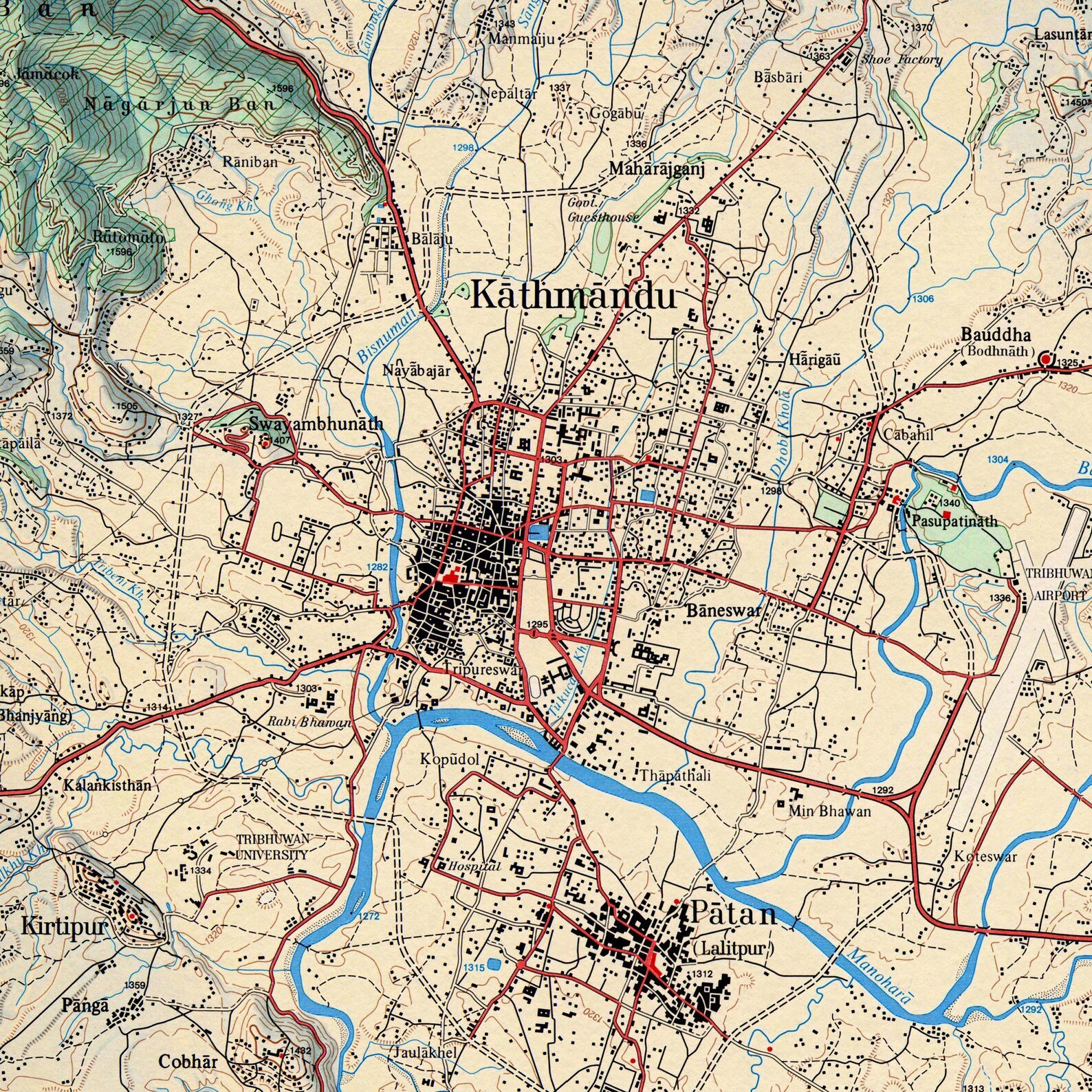
The broader Kathmandu Valley accounts for 10% of the population of Nepal. Traveling outside, the sense of rural village life quickly becomes apparent.
This imbalance is one of the strongest arguments for the need for a new model of pastor training.
Asia Theological Association, the largest governing body that accredits seminaries, is aware that a vast number of pastors and emerging leaders who leave villages to get seminary training inside Kathmandu, yet do not return to their villages to transform those villages with their education but remain in and around Kathmandu for its comforts and opportunities relative to village life. In light of this, we believe a healthier measurement shouldn’t be counting how many have been trained but measuring how far that training has reached and how much further it can travel.The ideal of “teach, train, and send” is deeply rooted in Scripture. Jesus taught His disciples, trained them for ministry, and ultimately sent them out. Paul followed a similar pattern as he invested in leaders who would carry the Gospel beyond himself. However, as Satya Suwal has observed:
As good as that sounds, “The train and send concept remains dangerously undefined. It could mean anything, and often does.”
Seminary training is a pure A → B model. Not that it doesn’t have any effect, just that the effectiveness of transforming the furthest villages of Nepal, is lacking if not missing.
“As good as that sounds, the train and send concept remains dangerously undefined. It could mean anything, and often does.”
Existing Models of Training – Remote Area Pastor Training
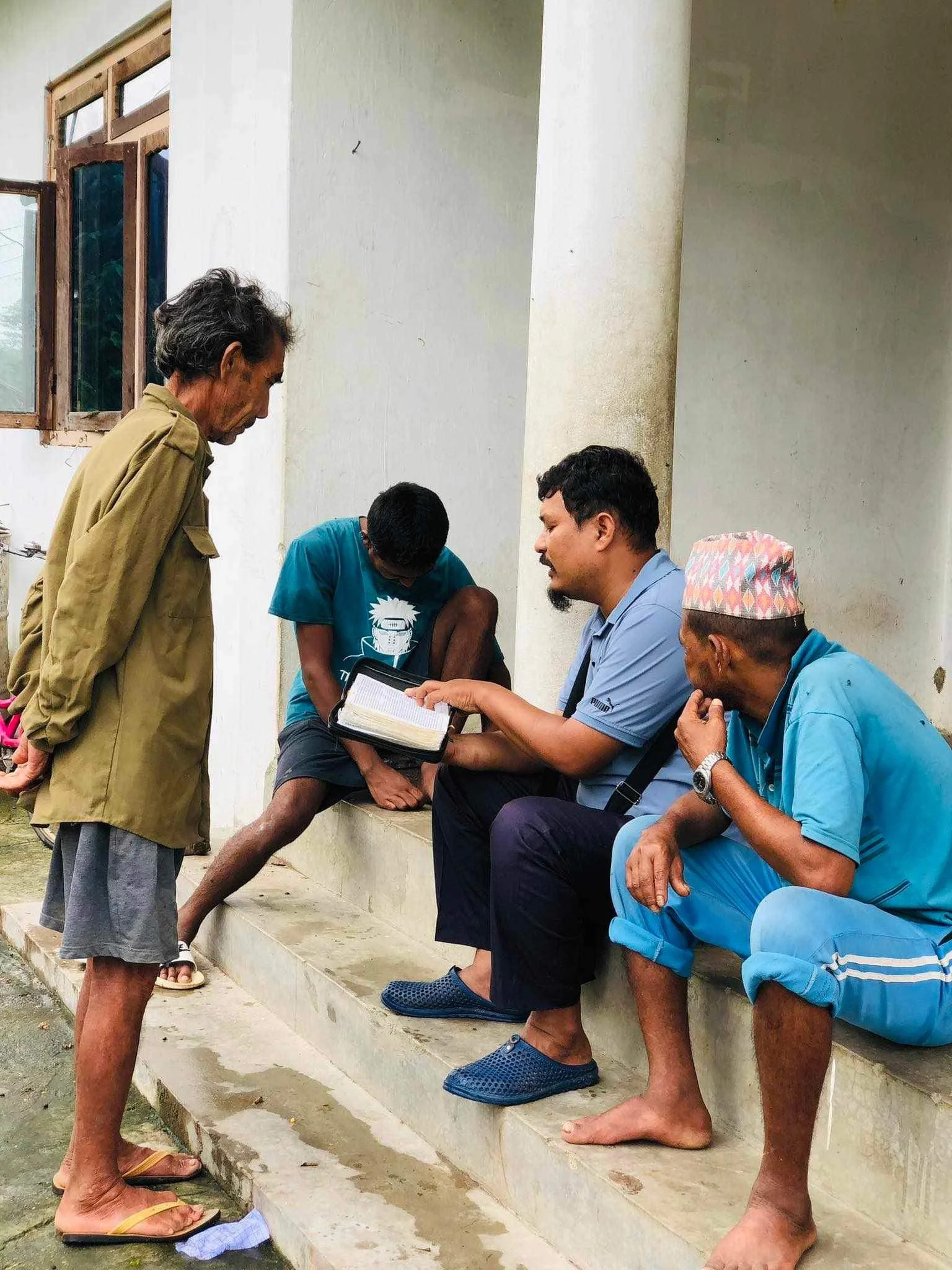
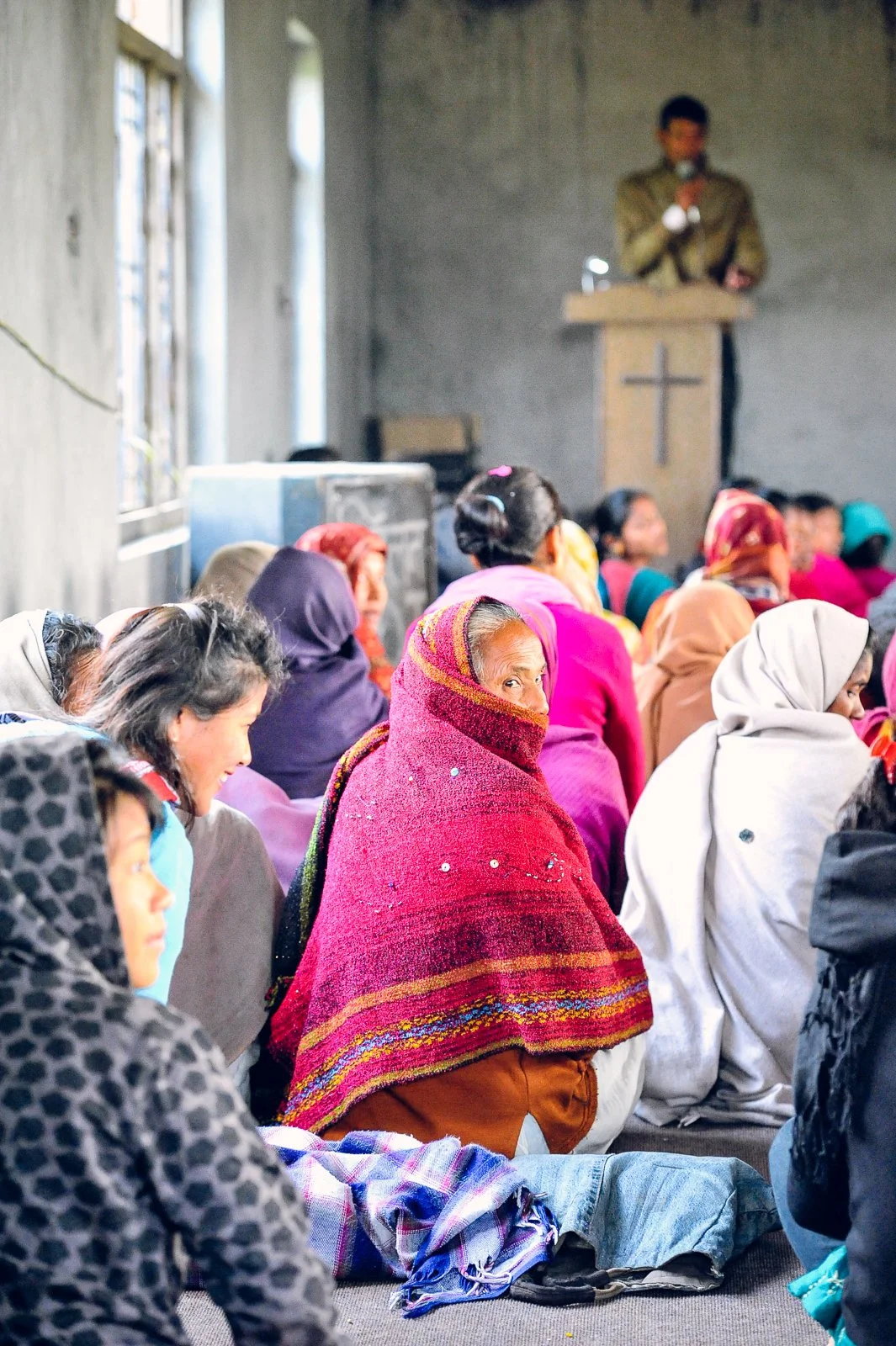
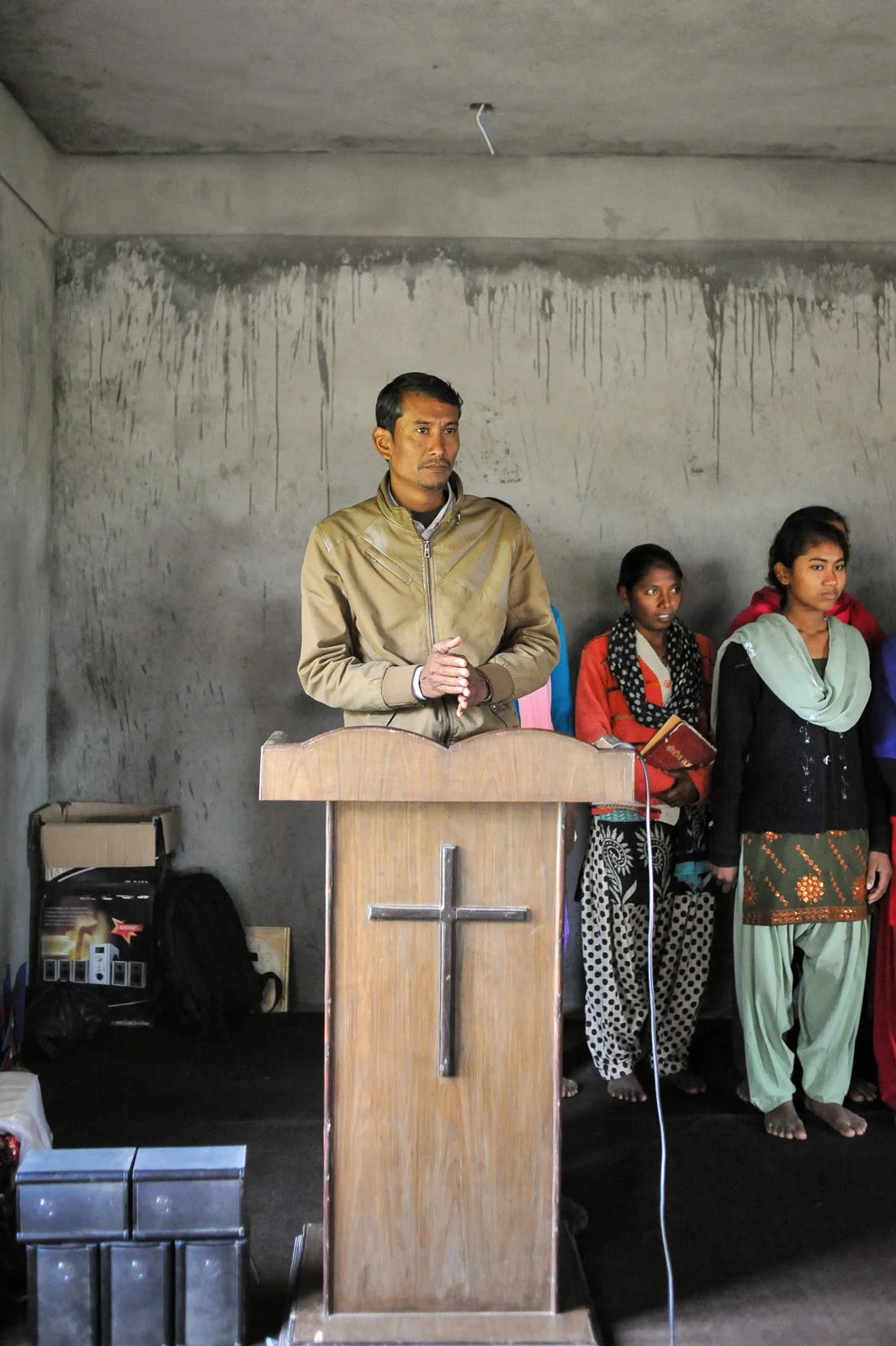
A pastor shares the Word in the extensively widespread and unreached province 2.
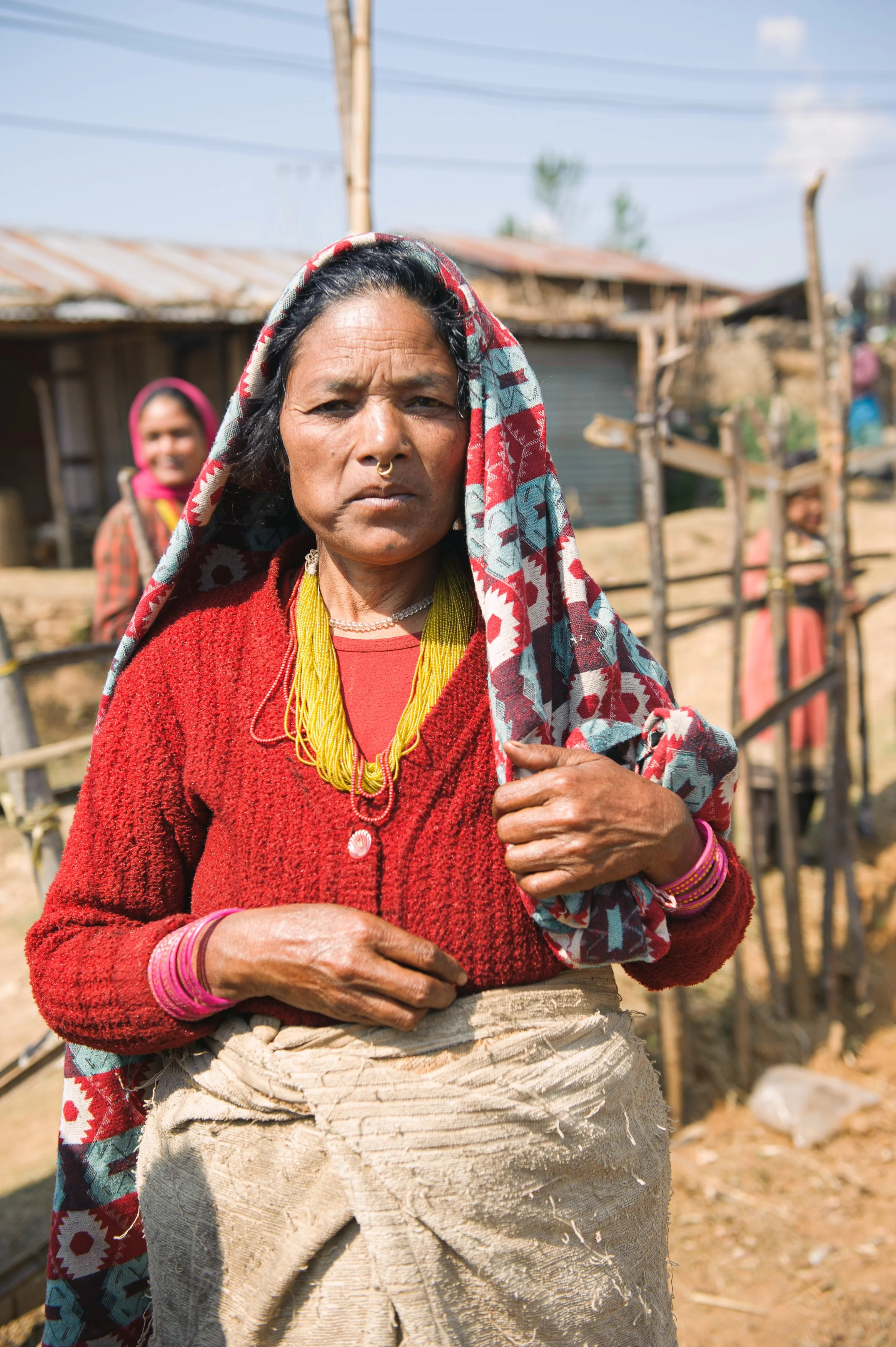
In the lower Himalayas of Sindhupalchok district.
In order to overcome this issue, in 2018, Touch Nepal launched the start of its two-year remote area pastor training program by going to the villages, to perform repeated long-term training. Our first location was inside the heart of Sindhupalchok District in Nepal. This mountainous district was the hardest hit district in the 2015 earthquake. Over 30% of all deaths were in this district with over 66,000 homes completely destroyed, and over 90% of houses, sustaining structural damages. Asia Theological Association is supportive of Touch Nepal’s unique Remote Area Pastor Training model. Representatives have spoken at our training about the importance of our work and the need for pastors to transform their communities and beyond, with the education they are receiving.
REGIONAL IMPACT BUILT INTO THE DESIGN.
Before we commit to training in a village, we first ask: Can this training impact an area beyond the village where we’ll meet? Our goal is strategic area impact. We begin with onsite pre-training meetings with local pastors, where we identify other pastors and key leaders from surrounding villages who could participate. These pre-training meetings give us the opportunity to meet those leaders, hear about their ministries, share fellowship, and discuss the commitments required for the training. We’re looking for potential, passion and strategic places from which our theological training can move outward—reaching pastors, churches, and ultimately communities far beyond the village where we are choosing to train in. Over many years of work, Touch Nepal has curated its own two-year extensive CTS course (Certificate of Theology Studies ) with a primary emphasis on bible exposition.
In Nepal, the primary way pastors teach from the Bible is still topical. A theme is placed at the center hub of the thought, and surrounding verses or sections of scripture are brought in like spokes on a bicycle wheel to support the central topic. This is difficult for a church to grow only feeding off topical teachings. We believe the word of God is intended to be understood and preached exegetically, verse by verse, where whole sections of scripture or books can be covered. Our two-year course currently offers 12 major subject and 12 minor subjects. The program progresses through live sessions, and also uses a TEE model, which stands for Theological Education by Extension in between the live sessions. The pastors are given our course materials as they progress between live sessions, and we support their questions and studies through a combination of online groups we create, and one on one communication. The students who live close to one another form study groups and this helps to encourage one another and build spiritual community as well. Graduating students receive a much-anticipated group graduation ceremony and their well-earned certificate of theology from Touch Nepal after their two-year course completion.
AN UNEXPECTED MULTIPLIER
Though often the other church leaders know of one another, they often don’t have close friendships due to distances between their churches and villages. Because Christianity is still believed to be under 3%, Christian leaders more often than not, know of one another’s ministry work even when they live considerable distances from one another. What is unique about our two-year program is how the program itself plays a part in growing relationships amongst the pastors and bringing regional unity to churches. We were unaware of this accidental outcome until our first graduation where many testimonies came forward from the pastors and leaders we trained. They explaining that the course brought them into this deeper friendship and unity with one another and strengthened their ministry effectiveness in the larger combined region (often a section of a district) because of our remotes area training program.
While our remote area pastor training program is also an A → B model, there are some distinct differences from a traditional Kathmandu based seminary model. Firstly, the send value of “train and send” is already well defined and established. Our reach is considerably deeper in that we are already training inside the location we wish our training to affect. We are not training and sending. We are already there in deep Nepal. But there is more. More to reach, more for us to do.

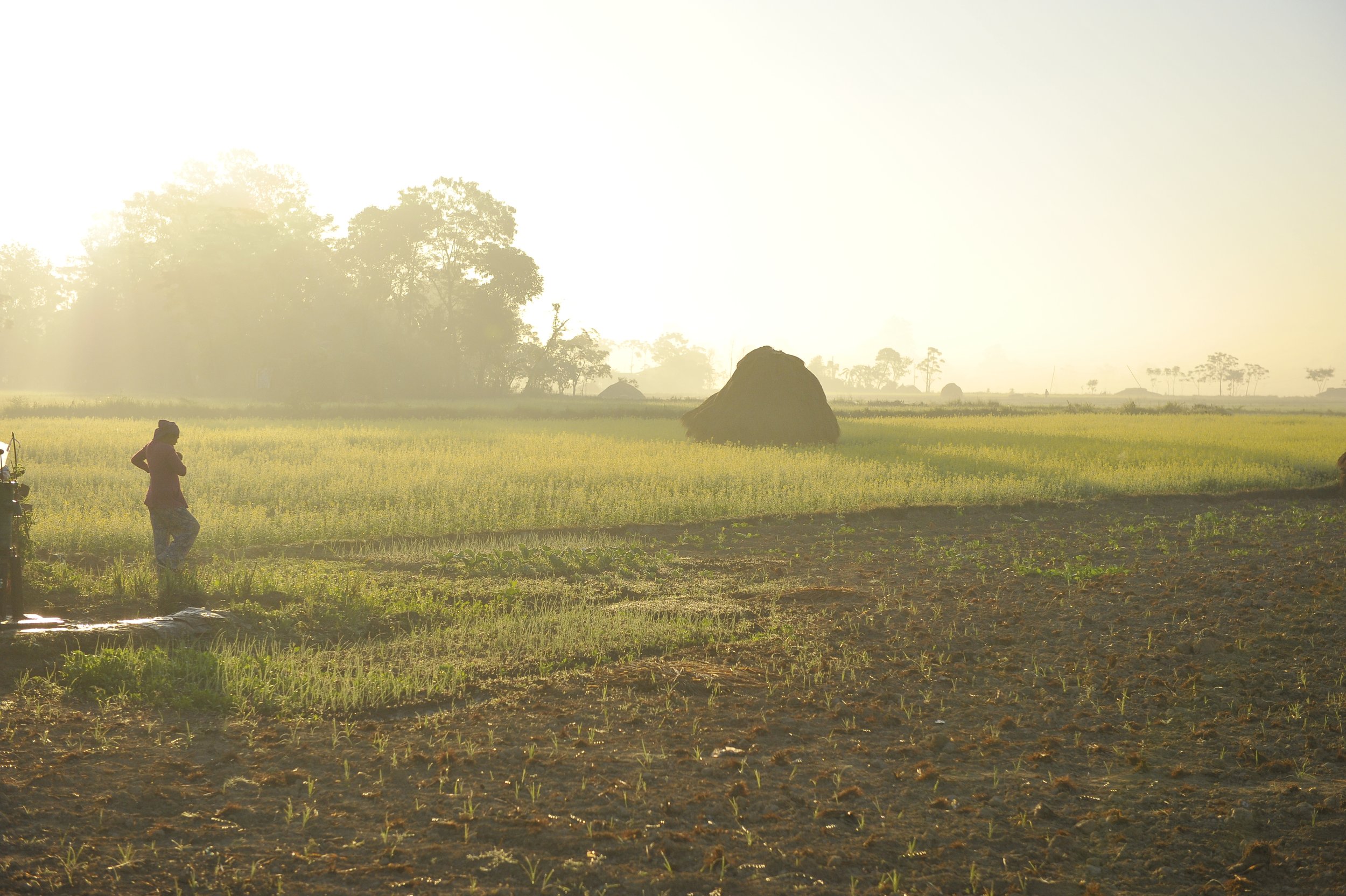
A stunningly gentle and typical evening scene from the plains area of Nepal overlooking early rice. Photo ©Touch Nepal.
We can reach further with you. Please support our work!
A Case For The A → B → C Model. Intentional Movement
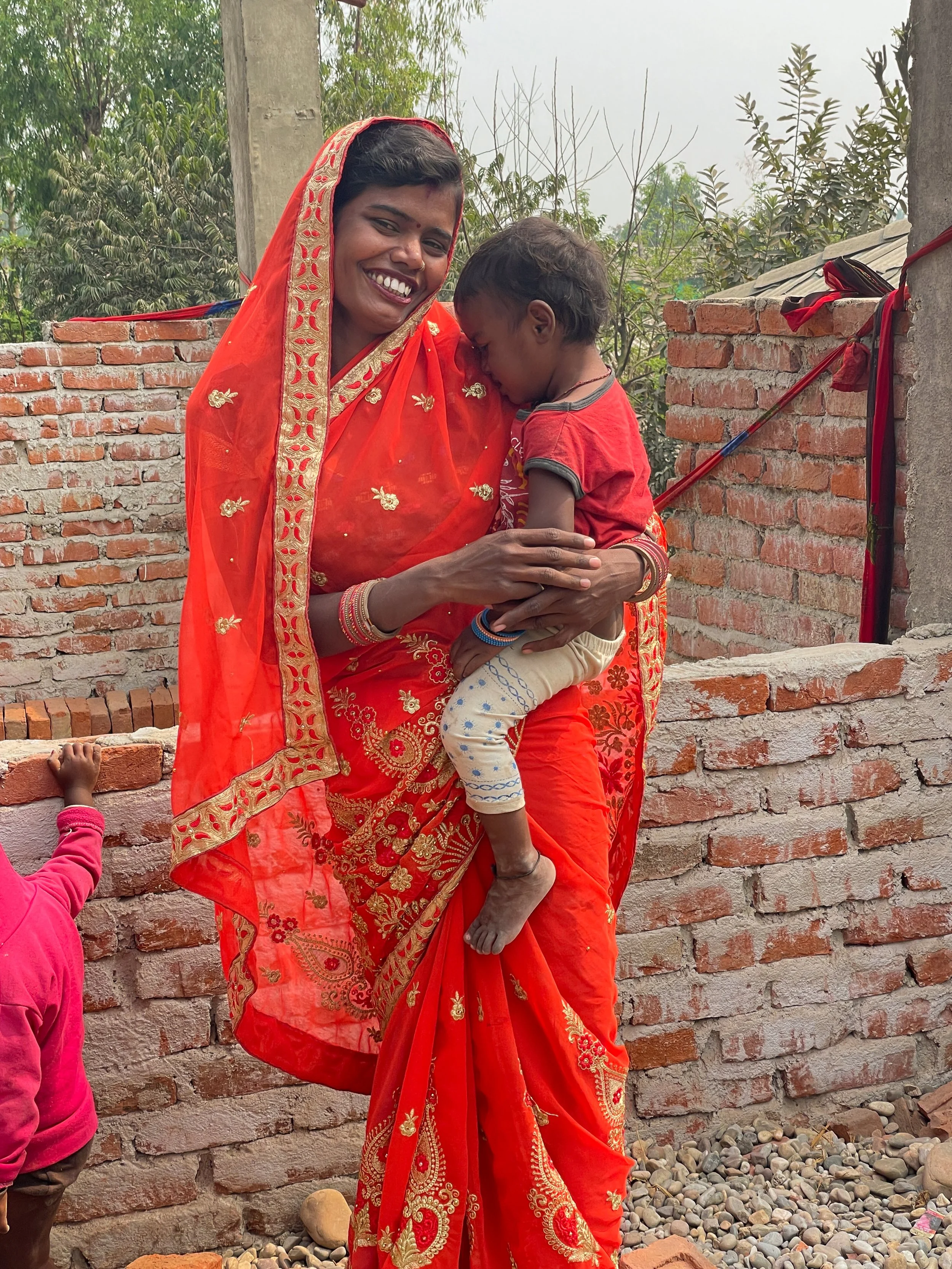
“The A → B → C model is not about distance; it is about replication at the B position”
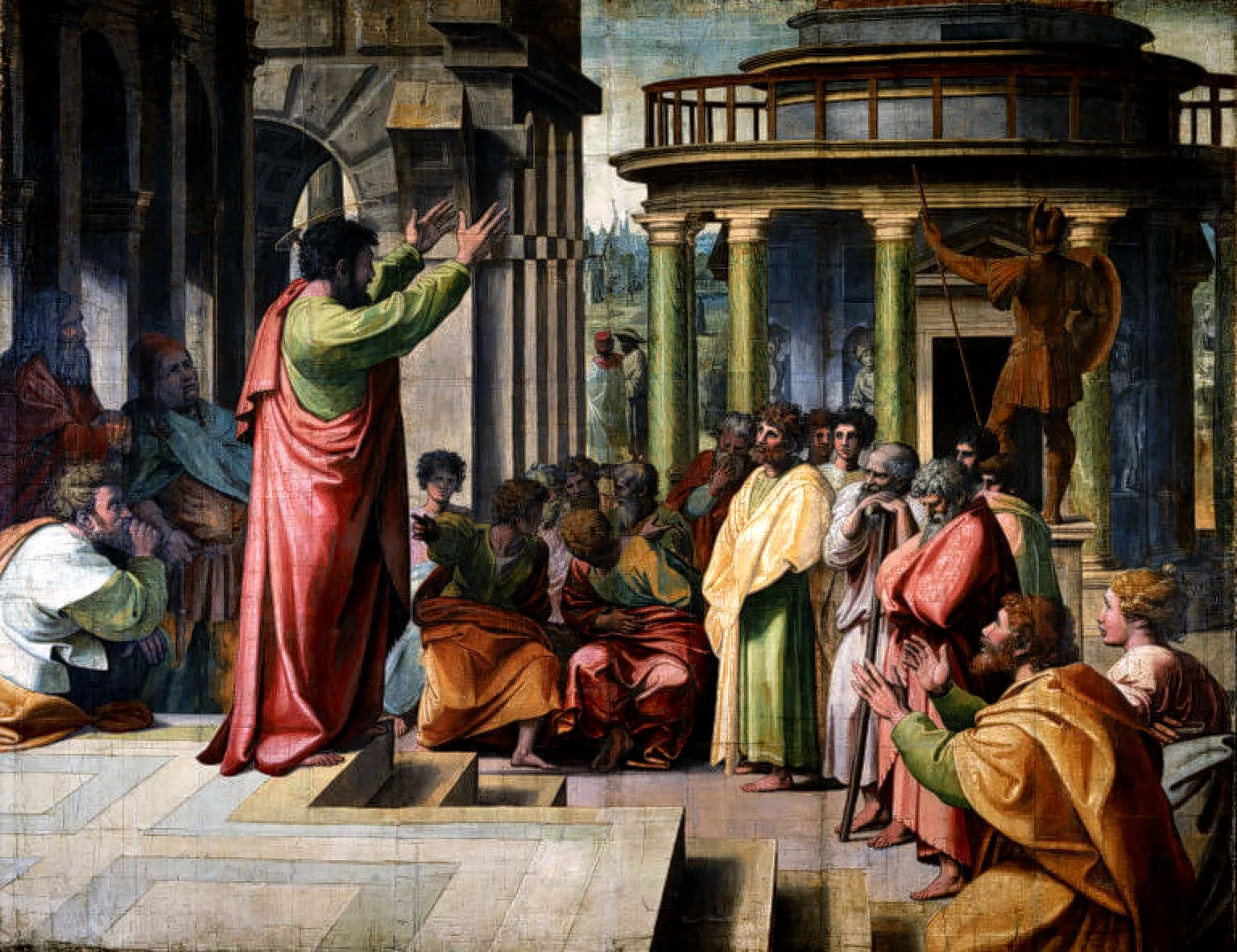
WHERE THE A → B MODEL ENDS
Let’s consider what we shouldn’t define as an
A → B → C model.
When a person from location B goes to A for training and then brings that knowledge or gift back to the community where they live, we would not consider this an A → B → C model. We consider it A → B. Why? Because returning to your own people is not →C—it is still →B. We believe returning and applying what you have learned within your own community is an expected part of a measuring successful of a well applied A → B model.
BACK HOME,. . . BUT NOT YET → C.
Let’s suppose a teacher (A) from Kathmandu teaches a person from a more distant village (B) how to sing. We expect that person to return to their village and use their newly acquired gift. If they do not, we would consider the A → B process broken. If they return and sing in their own village, we consider it a successful A → B model. However, it would only becomes an A → B → C model when that person takes what they have received and intentionally pass it on to someone else in another village.

AN A → B → C EXAMPLE FROM SCRIPTURE.
And this is precisely the pattern we see in 2 Timothy 2:2: Paul, telling Timothy, to pass on to others, what he has taught him.
“And what you (B) have heard from me (A → B) in the presence of many witnesses entrust to faithful men (B → C), who will be able to teach others (→ D) also." 2 Timothy 2:2
That is the heart of the A → B → C model: B doesn’t merely receive and return. B receives, returns, and most importantly reproduces.
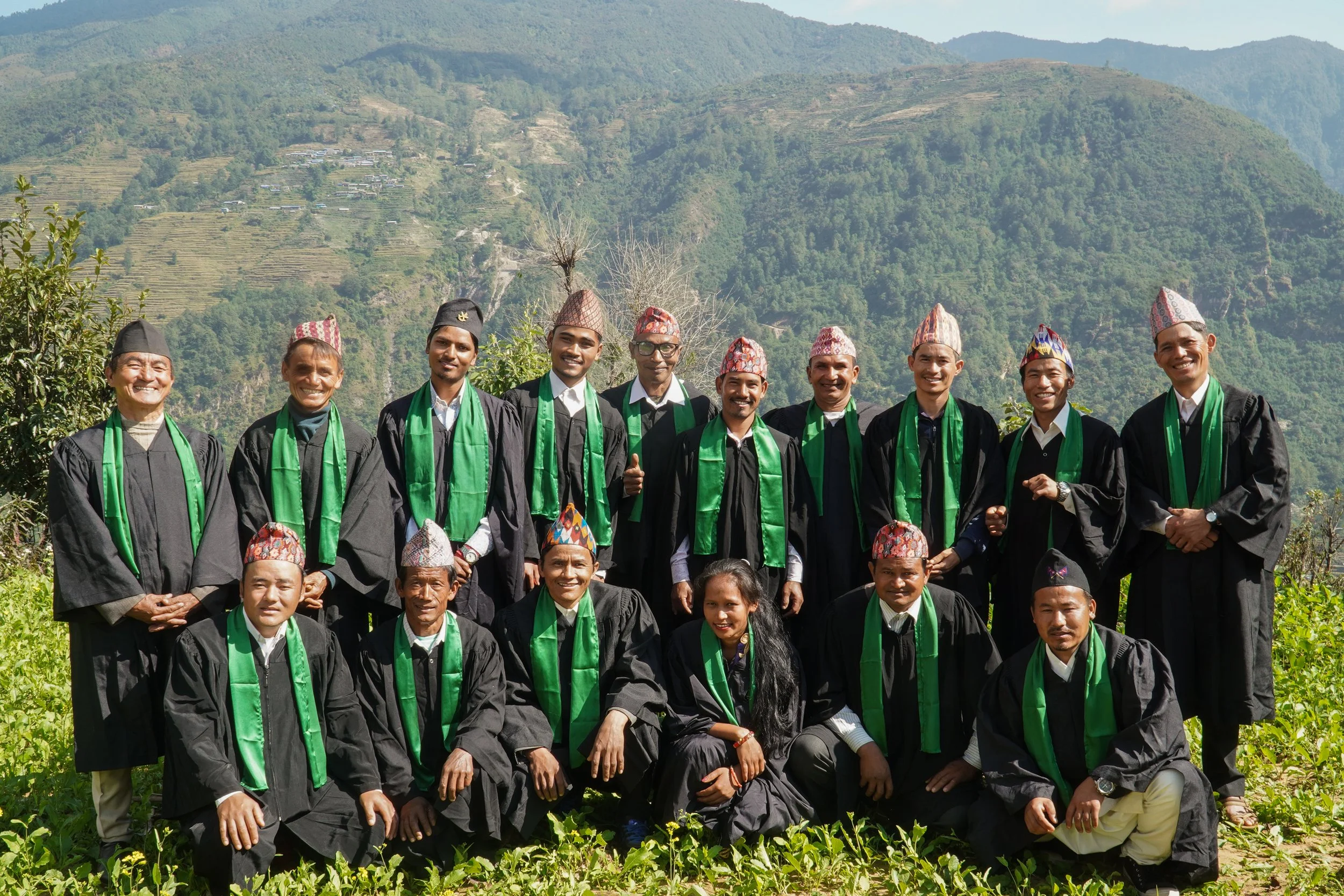
REPLICATING B & → GOING TO TRAIN C.
TOUCH NEPAL’S VERSE BY VERSE ™ PROGRAM.
OVERVIEW OF WHAT WILL BE TAUGHT IN C LOCATION
This three-day intensive program will seek to deliver to yet untrained pastors and emerging, the absolute clearest skillsets, knowledge and applicable practices they need to switch from topical teaching to verse by verse exegesis.
The highly memorable course is designed around a three-day journey through Paul’s letter to the church in Phillipi. They will plumb the depths of observation-interpretation and application bible study methods, while journeying through all four chapters of Philippians.
By the end of their days together, they should be able to see more than just the finished house. They will begin to understand what is behind the walls of a verse by verse preached message—the foundation, the framing, structure, connections and fasteners that hold it together straight. Understanding how a verse by verse message is constructed, they’ll have immediate access and confidence to apply their skills to any other passage of scripture. Verse by Verse ™ is a very “hands on the wheel” approach. Though we are imparting knowledge, There will be many breakout sessions where the →C group pastors will get time and opportunity to themselves to “put their hands on the wheel” and apply what they are learning.
TOUCH NEPAL’S VERSE BY VERSE ™ COURSE LAYOUT | HOW THE B → GROUP DOING THE TRAINING WILL BE TRAINED
Training will happen with the → B location pastors over an anticipated 4 days training. We are taking some of the best pastors and leaders we’ve previously trained and will now train them how to be teachers to → C locations beyond them.
Approximately 15-20 pastors and leaders will be representing 6 of the 7 provinces in Nepal, they in turn will be executing the Touch Nepal Verse by Verse™ course to → C locations beyond them.
The Verse by Verse™ Facilitators Guide is completed for the facilitator’s use to administer the program.
The Verse by Verse ™ Students Handbook is completed for the → C location pastors and leaders to go through the program and have a working reference upon completion.
The Facilitators will form groups of 3 or more from their local church community for going to C.
The B groups will prayerfully consider their →C locations and present them to us so that we can discuss choices, distance, pre-meetings and other general logistics to help them succeed.
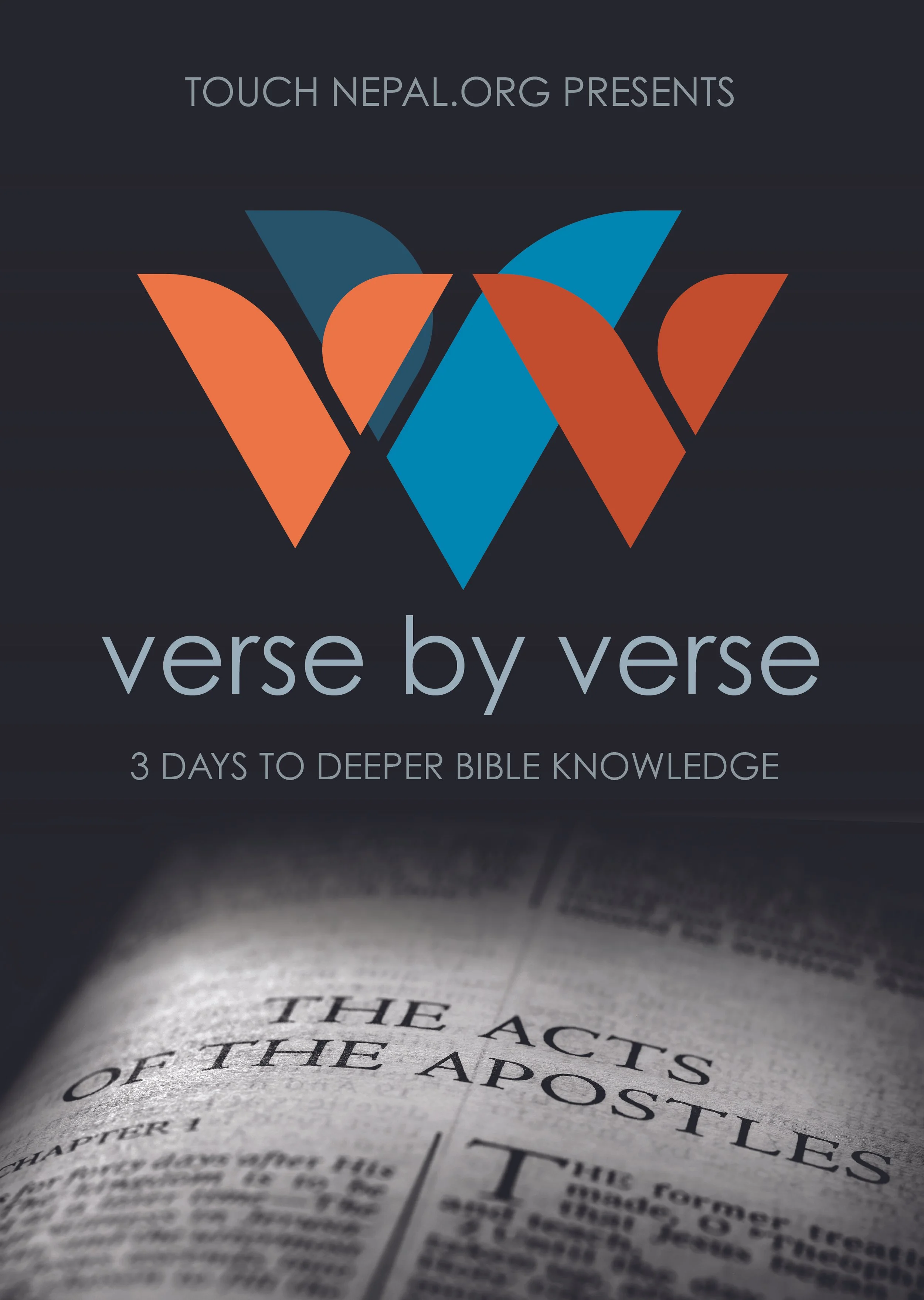
OUR REPLICATION IMPACT RATING MODEL.
Scalability × Fidelity × Adaptation = Replication Impact Rating.
Our Replication Impact Model measures how effectively our training model can be reproduced and how closely that reproduction achieves its intended goals within the broader community.
The model is built on three essential base factors:
Scalability — Can it be reproduced relatively easy?
Fidelity — Can it be reproduced accurately?
Adaptation — Can it be reproduced appropriately?
All three matter. A model that succeeds in only two of the three areas will ultimately struggle to produce meaningful impact.
Understanding the Rating.
This is not intended to be a precise mathematical measurement. The ultimate measure is results and impact in relation to the intended goals.
The number is simply a way to visualize the importance of each factor. A high score represents a strong replication factor; a low score represents a significant weakness.
Because the factors are multiplied, a serious weakness in any one area has a disproportionate effect on the whole model.
For example, a training program may have excellent fidelity and excellent adaptation, but if it costs $500 per person, requires specialized equipment, and depends on reliable internet access, it has essentially no scalability. The model cannot reproduce itself effectively. That might look like this mathematically.
100 × 100 × 0 = 0
Likewise, a program may be inexpensive and easy to reproduce (scalability) and highly adaptable to the local culture, but if the biblical content becomes distorted as it moves from A to B to C, its fidelity is effectively zero. Again, the math could look the same.
100 × 100 × 0 = 0
The lesson is simple: Quality replication requires all three.
As we develop and refine the A → B → C model, we must protect the success of Scalability, Fidelity, and Adaptation so that what reaches the C group is accessible, accurate, and appropriate.
I.) SCALABILITY.
Defined: The measure of how easily a program can be reproduced and transferred from B at the replication point, to C.
A highly scalable model has low barriers to reproduction.
Key characteristics include:
· Low cost to reproduce and transfer
· Highly mobile and can be inserted nearly anywhere
· Indigenous leadership rather than dependence on outside trainers
· Low geographic friction, because B is significantly closer to C than A is
· High language fluidity
· Simple, portable training materials
· Training that can be reproduced without specialized technology or equipment
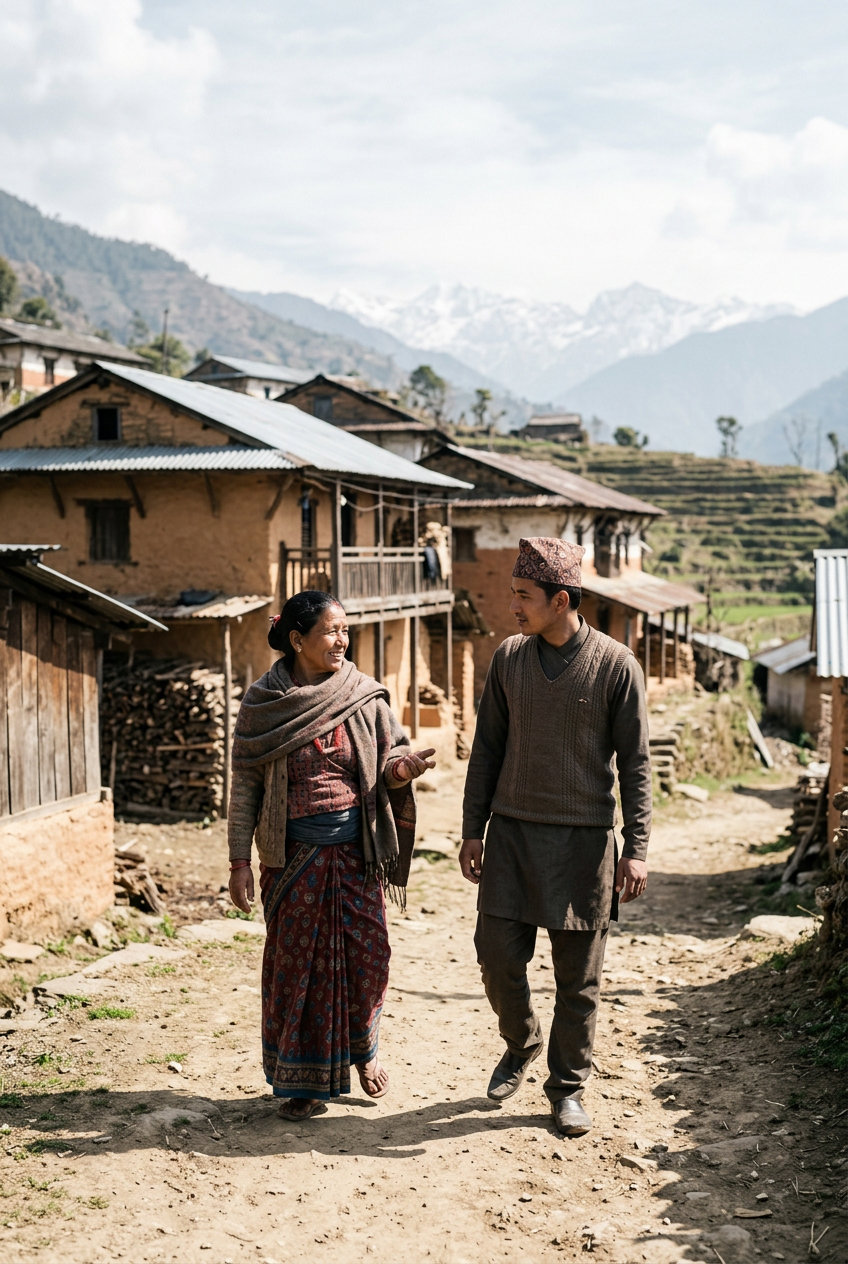
For example, although Nepali is widely spoken, a B-group facilitator could potentially carry the training into a C community where Tamang is the preferred language. Because the B facilitator is closer to the C community and shares more of its local context, the training can move with fewer barriers.
With scalability the goal is clear: the B group should be able to carry the training forward without needing A to remain present.
II.) FIDELITY
Defined: The measure of how accurately (think audio clarity) the program is reproduced compared with its original design and intended content.
A highly faithful model protects the essential truths and objectives of the training as it moves from A → B → C.
Key characteristics include:
· Highly memorable content
· Teachability built into the course design
· A Facilitator's Guide and Student Handbook
· Clear learning objectives
· Built-in accountability
· Guardrails that protect the core teaching from unnecessary complexity or distortion
The B facilitator should be able to answer:
· What did I learn?
· How can I use it?
· Can I explain it to someone else?
The goal is not for C to receive a watered-down version of what B was taught.
With Fidelity, the message must reproduce without losing its meaning.
III.) ADAPTATION
Defined: The ability to contextualize a program for a new culture, language, and community without compromising its essential effectiveness or biblical truth.
High adaptation allows the training to become genuinely useful within the C community without changing what must remain unchanged.
Key characteristics include:
· Shared or closely related language between B and C
· Shared goals of biblical education
· Shared Christian context
· Greater cultural understanding between B and C
· Geographic proximity that strengthens cultural connection
· Relationships that develop naturally between B and C
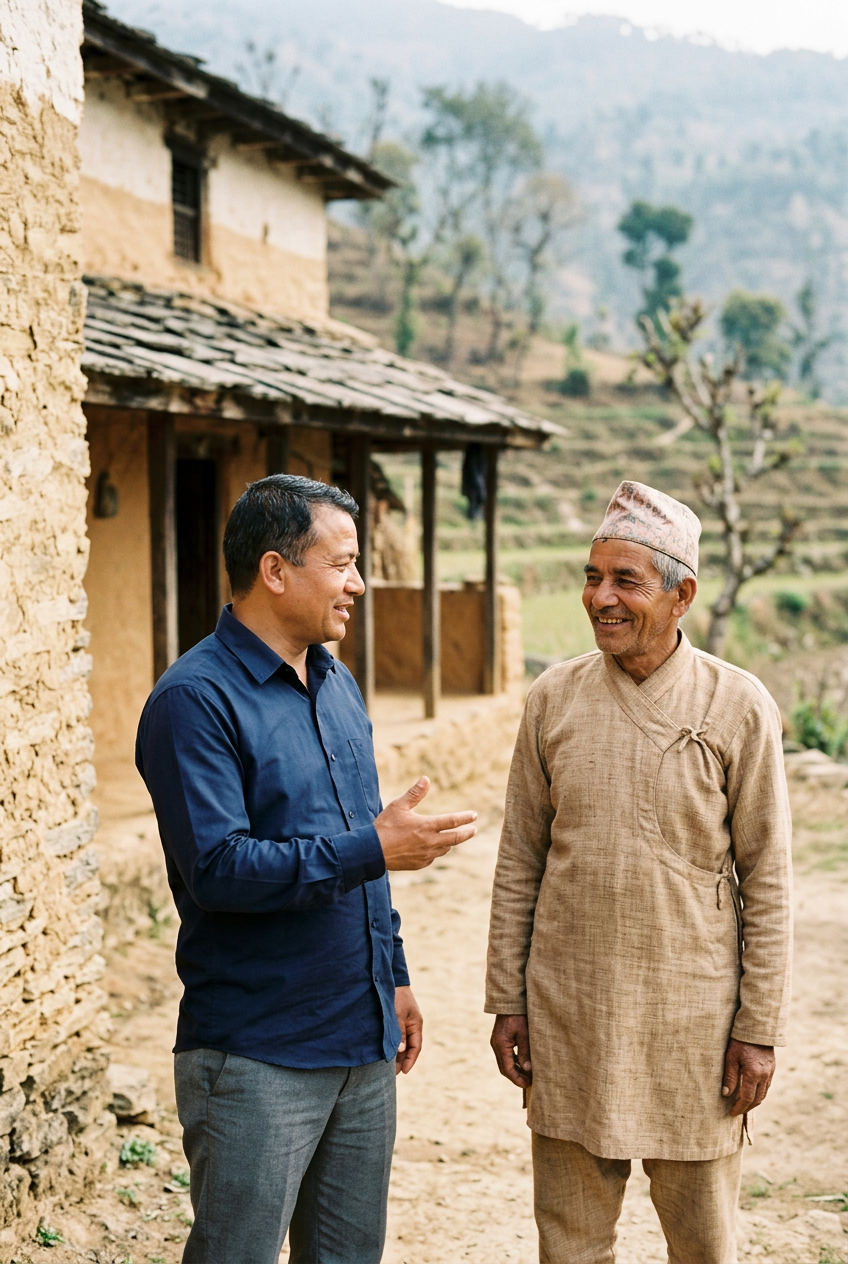
Because B is closer to C geographically and culturally than A is, the B facilitator is often better positioned to understand how the training should be communicated within the C community.
Adaptation changes how the message is communicated—not what the message means. That distinction is essential to the A → B → C model.
THE ROAD AHEAD
We’d like to see our existing experience and upcoming Verse By Verse ™ work inspire and help other organizations and ministries stuck at the A → B crossroad and break into farther areas with the A → B → C TRAINING MODEL.
In our knowledge of training in Nepal, Our Remote Area Pastor Training Program exceeds any other training that we are aware of in reach, breadth and effectiveness. We believe that this Verse by Verse ™ program being taught by a previously trained B group reaching and training a C group in biblical exegesis will be the first of its kind in Nepal in both its scope and reach.
Scalability × Fidelity × Adaptation = Replication Impact.
· Scalable enough to pass on.
· Faithful enough to remain true.
· Adaptable enough to take root.
FINAL THOUGHTS
Some of oldest principles of Christian ministry are movement and replication. When A equips →B, and B faithfully equips →C, biblical training can extend into the most remote regions of Nepal. This is the vision behind Touch Nepal's Remote Area Pastor Training program and our Verse By Verse ™ intensive. We are bringing theological education to the village so that the village can carry it further.
We warmly seek your prayer and invite your partnership into this extraordinary opportunity.

We can reach further with you. Please support our work!
Reach Every Village ™